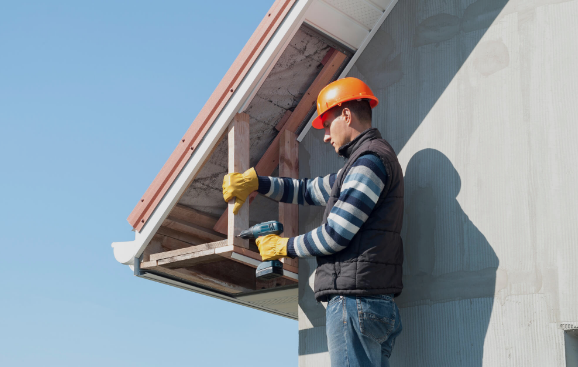
Soffit Repair
Your home’s soffit does much more than improve curb appeal. It protects the roof structure, keeps moisture away from your attic, allows proper ventilation, and helps prevent pests from entering your home. When the soffit becomes damaged, ignoring the problem can lead to expensive repairs involving your roof, insulation, fascia, and even the structural framing.
Whether you’re dealing with water damage, rotting wood, peeling paint, animal intrusion, or storm-related issues, understanding how soffit repair works can save you time and money. This comprehensive guide explains everything homeowners need to know, from identifying early warning signs to deciding whether a simple repair or full replacement is the right choice.
What Is a Soffit?
A soffit is the material installed beneath the overhanging edge of your roof, connecting the exterior wall to the fascia board. It covers the underside of the roof overhang and typically contains ventilation openings that allow fresh air into the attic.
A properly functioning soffit serves several important purposes:
- Improves attic ventilation
- Prevents moisture buildup
- Protects roof framing
- Keeps birds, squirrels, insects, and rodents out
- Enhances the home’s finished appearance
- Helps extend the life of roofing materials
Without a healthy soffit system, moisture and heat can become trapped inside the attic, increasing the risk of mold, wood rot, and premature roof deterioration.
Why Soffit Damage Should Never Be Ignored
Minor damage often becomes a much larger issue if left untreated.
A damaged soffit can lead to:
- Water leaks inside the attic
- Mold and mildew growth
- Rotting roof decking
- Damaged insulation
- Increased energy bills
- Pest infestations
- Structural wood decay
- Reduced property value
Repairing small problems early is significantly less expensive than replacing damaged roof framing later.
Common Causes of Soffit Damage
Understanding what causes soffit problems helps homeowners prevent future repairs.
Water Damage
Clogged gutters often overflow, allowing water to run behind the fascia and soak the soffit.
Over time, moisture causes:
- Wood rot
- Paint failure
- Mold growth
- Warping
Poor Ventilation
Blocked soffit vents reduce attic airflow.
This causes:
- Heat buildup
- Excess humidity
- Condensation
- Ice dams in colder climates
Pest Infestations
Small openings quickly become entry points for:
- Birds
- Squirrels
- Wasps
- Bees
- Mice
- Rats
Animals frequently chew through damaged soffits, making the openings even larger.
Storm Damage
Strong winds, hail, and falling tree limbs can crack or loosen soffit panels.
After severe weather, inspect your roofline carefully.
Aging Materials
Even high-quality soffits wear out over time due to:
- UV exposure
- Rain
- Snow
- Temperature changes
- Seasonal expansion and contraction
Poor Installation
Improper fastening, inadequate ventilation spacing, or low-quality materials often shorten the lifespan of the entire soffit system.
Signs Your Soffit Needs Repair
Many homeowners don’t notice soffit problems until major damage occurs.
Watch for these warning signs:
- Peeling paint
- Soft or rotting wood
- Sagging panels
- Cracks or holes
- Visible mold
- Water stains
- Animal noises inside the roof
- Insects entering through roof edges
- Loose sections after storms
- Poor attic ventilation
Early detection makes repairs faster and less expensive.
Types of Soffit Materials
Different homes use different soffit materials, each with unique maintenance requirements.
| Material | Advantages | Drawbacks |
|---|---|---|
| Wood | Traditional appearance | Requires frequent maintenance |
| Vinyl | Affordable, low maintenance | Can crack in extreme cold |
| Aluminum | Rust resistant, durable | Can dent from impacts |
| Fiber Cement | Fire resistant, long lasting | Higher installation cost |
| Composite | Moisture resistant | More expensive than vinyl |
Choosing the right replacement material depends on your climate, maintenance preferences, and budget.
How to Inspect a Damaged Soffit
A simple inspection can reveal whether repairs are necessary.
Look for:
- Water stains around gutters
- Gaps between fascia and soffit
- Missing vent panels
- Rusted fasteners
- Cracked caulking
- Soft wood when gently pressed
- Evidence of insects or nests
Also inspect the attic for:
- Damp insulation
- Mold
- Condensation
- Sunlight entering through roof edges
Can You Repair a Soffit Yourself?
Many minor repairs are suitable for experienced homeowners.
DIY repairs work best for:
- Small holes
- Loose panels
- Minor cracks
- Repainting
- Replacing individual vinyl sections
However, larger structural problems usually require professional repairs.
Tools Needed for Basic Repairs
Most simple repairs require:
- Ladder
- Safety glasses
- Gloves
- Pry bar
- Hammer
- Drill
- Utility knife
- Tape measure
- Circular saw
- Exterior screws
- Caulk
- Replacement panels
- Paint if needed
Always follow ladder safety guidelines.
Step-by-Step Guide to Basic Soffit Repair
Step 1: Identify the Damage
Determine whether only the soffit is affected or if the fascia, gutters, or roof framing are also damaged.
Step 2: Remove the Damaged Section
Carefully remove nails or screws securing the damaged panel.
Avoid damaging neighboring sections.
Step 3: Inspect the Structure
Check for:
- Rotting rafters
- Mold
- Water damage
- Insect activity
Replace damaged framing before installing new soffit.
Step 4: Install Replacement Material
Cut the new panel to size.
Secure it evenly without over-tightening fasteners.
Step 5: Seal Gaps
Use high-quality exterior caulk around joints where necessary.
Step 6: Paint if Required
Wood soffits should be primed and painted to protect against moisture.
When to Hire a Professional
Professional help is recommended when:
- Multiple sections are damaged
- Structural wood is rotting
- Mold is widespread
- Roofing materials need removal
- Electrical wiring is nearby
- The roof is steep
- Pest infestations are involved
Professionals can also identify hidden damage that homeowners often miss.
Average Repair Costs
Repair costs vary depending on material, accessibility, and damage severity.
| Repair Type | Estimated Cost |
| Minor patch repair | $150 to $350 |
| Single panel replacement | $250 to $500 |
| Moderate repair | $500 to $1,000 |
| Extensive repair | $1,000 to $2,500+ |
| Complete soffit replacement | $2,000 to $6,000+ |
Labor rates, regional pricing, and material choices significantly affect the final cost.
Repair vs. Replacement
Not every damaged soffit needs complete replacement.
Repair is usually sufficient when:
- Damage is localized
- Structural framing remains solid
- Ventilation is functioning properly
- Less than one-quarter of the soffit is damaged
Replacement may be the better option when:
- Rot is widespread
- Multiple panels are failing
- The material has reached the end of its lifespan
- Ventilation needs upgrading
- Water damage has spread into the roof framing
Replacing the entire system often provides better long-term value if repairs would be extensive.
Preventing Future Damage
Preventive maintenance greatly extends the lifespan of your soffit.
Follow these maintenance tips:
- Clean gutters twice each year.
- Trim tree branches away from the roof.
- Inspect after severe storms.
- Repaint exposed wood regularly.
- Keep attic ventilation clear.
- Replace damaged caulking promptly.
- Repair roof leaks immediately.
- Watch for insect nests.
- Schedule annual roof inspections.
Small maintenance tasks prevent costly structural repairs.
How Soffit Ventilation Improves Energy Efficiency
Proper attic ventilation keeps temperatures balanced year-round.
Benefits include:
- Lower cooling costs
- Reduced attic humidity
- Longer roof lifespan
- Less condensation
- Improved indoor comfort
- Reduced mold risk
Blocked soffit vents reduce airflow and force your HVAC system to work harder.
Common Mistakes Homeowners Make
Avoid these costly errors:
- Painting over rotted wood
- Ignoring water stains
- Blocking soffit vents with insulation
- Installing mismatched materials
- Using interior caulk outdoors
- Delaying repairs after storms
- Overlooking gutter problems
- Skipping attic inspections
Addressing the root cause always provides better results than treating only visible damage.
Best Materials for Long-Term Performance
If you’re replacing damaged sections, durability matters.
Many professionals recommend:
Vinyl
Ideal for homeowners seeking affordability and low maintenance.
Aluminum
Excellent in humid climates because it resists rust and insects.
Fiber Cement
Offers exceptional durability, fire resistance, and longevity.
Composite Materials
Increasingly popular because they resist moisture, insects, and rot while requiring very little maintenance.
Frequently Asked Questions
How long does a soffit typically last?
Wood soffits generally last 20 to 30 years with proper maintenance. Vinyl and aluminum often last 30 to 40 years or longer.
Can damaged soffits cause roof leaks?
Yes. Water entering through damaged soffits can reach roof framing, insulation, and attic spaces, eventually leading to leaks.
Is soffit repair covered by homeowners insurance?
Insurance may cover repairs caused by sudden events such as storms or falling trees. Damage from neglect or normal wear is usually not covered.
Can animals enter through damaged soffits?
Yes. Squirrels, birds, rodents, raccoons, and insects commonly use damaged soffits to access attic spaces.
Should fascia be replaced at the same time?
If the fascia board has rot or water damage, replacing both components together is often more cost-effective than repairing them separately.
Conclusion
A properly maintained soffit plays a vital role in protecting your roof, attic, and entire home from moisture, pests, and structural damage. While small issues such as loose panels or minor cracks can often be repaired quickly, widespread rot, ventilation problems, or long-term water damage require more comprehensive solutions. Regular inspections, clean gutters, prompt repairs, and quality materials can dramatically extend the life of your soffit system while helping you avoid expensive roofing repairs in the future. By addressing problems early and choosing the right repair approach, homeowners can preserve both the appearance and structural integrity of their property for years to come.
Related Posts
Milwaukee Tools Ace Clearance

Bob Vila 2025: Net Worth, Career, TV Legacy, Latest Projects, and Home Improvement Influence