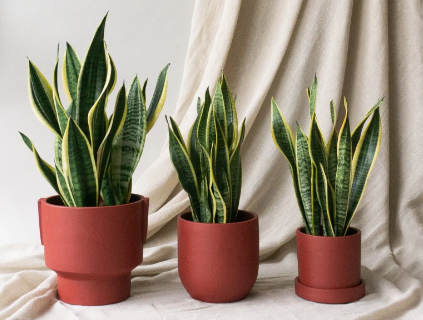
Snake Plant
The snake plant is one of the easiest and most rewarding houseplants to grow. Known for its upright sword-like leaves, striking appearance, and exceptional resilience, it has become a favorite among beginners and experienced plant lovers alike. Whether you’re decorating a home, office, or apartment, this low-maintenance plant adapts well to a wide range of indoor conditions.
Native to West Africa, the snake plant thrives with minimal attention, tolerates low light, and can survive occasional neglect. Its ability to store water in thick leaves makes it drought tolerant, making it an excellent choice for busy households or anyone new to indoor gardening.
This complete guide covers everything you need to know about snake plant care, including watering, sunlight requirements, propagation methods, common problems, benefits, and expert growing tips to help your plant thrive year-round.
What Is a Snake Plant?
The snake plant is a hardy evergreen succulent prized for its stiff, upright foliage. The leaves vary in color depending on the variety, ranging from deep green with lighter horizontal bands to yellow-edged or silver-green cultivars.
Because of its architectural shape and adaptability, it fits well in modern, minimalist, traditional, and tropical interior designs.
Common Names
- Snake Plant
- Mother-in-Law’s Tongue
- Bowstring Hemp
- Saint George’s Sword
- Viper’s Bowstring Hemp
Types of Snake Plants
Although there are many cultivars, these are among the most popular.
Laurentii
Features dark green leaves with bright yellow edges. This is the classic variety found in many homes.
Zeylanica
Displays green leaves with attractive gray-green horizontal stripes.
Moonshine
Known for its pale silver-green leaves that create a modern, elegant look.
Black Gold
Produces deep green foliage with bold golden margins.
Cylindrica
Has rounded, cylindrical leaves that grow upright and are often braided.
Bird’s Nest Snake Plant
A compact variety with short leaves arranged in a rosette, making it ideal for desks and shelves.
Snake Plant Benefits
Snake plants offer more than attractive foliage.
Easy to Care For
They require very little maintenance and can tolerate occasional neglect.
Excellent for Beginners
They survive a wide range of indoor conditions, making them one of the easiest houseplants to grow.
Drought Tolerant
Their thick leaves store water, reducing the need for frequent watering.
Attractive Indoor Décor
Their vertical growth adds height and texture to living spaces.
Long Lifespan
With proper care, a snake plant can live for decades.
Low Maintenance
Minimal pruning and infrequent watering make them ideal for busy lifestyles.
Ideal Growing Conditions
Creating the right environment helps your snake plant flourish.
Light Requirements
Snake plants adapt to various lighting conditions.
Best options include:
- Bright indirect light
- Filtered sunlight
- Partial shade
- Moderate indoor lighting
They can survive in low light but grow more slowly.
Avoid prolonged exposure to intense afternoon sunlight, which may scorch the leaves.
Temperature Requirements
Ideal temperatures range between:
- 60°F and 85°F (16°C to 29°C)
Protect plants from:
- Frost
- Freezing temperatures
- Cold drafts
- Sudden temperature changes
Humidity
Average household humidity is usually sufficient.
Unlike tropical plants, snake plants do not require high humidity.
Best Soil for Snake Plants
Good drainage is essential.
Use:
- Cactus soil
- Succulent potting mix
- Well-draining indoor potting mix with added perlite
Avoid heavy garden soil that retains excess moisture.
Choosing the Right Pot
Select a container with drainage holes.
Recommended materials include:
- Terracotta
- Ceramic
- Clay
- Plastic with proper drainage
Terracotta pots are especially helpful because they allow excess moisture to evaporate.
How Often Should You Water a Snake Plant?
Overwatering is the most common reason snake plants die.
General watering schedule:
- Spring: Every 2 to 3 weeks
- Summer: Every 2 weeks
- Fall: Every 3 weeks
- Winter: Every 4 to 6 weeks
Always check that the soil is completely dry before watering again.
Signs of Overwatering
Watch for:
- Yellow leaves
- Soft leaves
- Mushy roots
- Root rot
- Foul-smelling soil
Reduce watering immediately if these symptoms appear.
Signs of Underwatering
Common signs include:
- Wrinkled leaves
- Curled foliage
- Dry leaf tips
- Slow growth
A thorough watering usually restores healthy leaves if caught early.
Fertilizing Snake Plants
Feed during the growing season.
Recommended schedule:
- Once every 4 to 6 weeks in spring and summer
Use:
- Balanced liquid houseplant fertilizer
- Succulent fertilizer diluted to half strength
Do not fertilize during winter dormancy.
How to Repot a Snake Plant
Repot every 2 to 4 years or when roots become crowded.
Steps
- Choose a pot slightly larger than the current one.
- Add fresh well-draining soil.
- Carefully remove the plant.
- Trim damaged roots if needed.
- Place it in the new container.
- Fill with soil and water lightly.
Avoid oversized pots that retain too much moisture.
How to Propagate a Snake Plant
Propagation is simple and inexpensive.
Division
This is the fastest and most reliable method.
Steps:
- Remove the plant from its pot.
- Separate healthy root sections.
- Plant each division in fresh soil.
- Water lightly.
Leaf Cuttings in Soil
- Cut a healthy leaf.
- Allow the cut end to dry for one day.
- Insert the cutting into moist succulent soil.
- Keep in bright indirect light.
Roots usually develop within several weeks.
Water Propagation
- Place a leaf cutting in a jar with clean water.
- Change the water weekly.
- Transfer to soil once roots reach several inches long.
Common Snake Plant Problems
Even hardy plants can experience issues.
Yellow Leaves
Usually caused by:
- Overwatering
- Poor drainage
- Root rot
Brown Tips
Possible causes:
- Dry air
- Underwatering
- Fertilizer buildup
Soft Leaves
Often indicate excessive moisture or root damage.
Leaning Leaves
Can result from:
- Insufficient light
- Root issues
- Heavy foliage
Slow Growth
Usually caused by:
- Low light
- Cold temperatures
- Nutrient deficiency
Common Pests
Snake plants occasionally attract:
- Spider mites
- Mealybugs
- Scale insects
- Fungus gnats
Treat infestations using:
- Neem oil
- Insecticidal soap
- Cotton swabs dipped in rubbing alcohol
Is Snake Plant Safe for Pets?
Snake plants are mildly toxic to cats and dogs if ingested.
Possible symptoms include:
- Drooling
- Vomiting
- Nausea
- Mild digestive upset
Keep plants out of reach of curious pets.
Decorating With Snake Plants
Their upright shape makes them versatile for interior design.
Great placement ideas include:
- Living rooms
- Bedrooms
- Entryways
- Home offices
- Bathrooms with natural light
- Shelves
- Corners
- Desks
They pair beautifully with pothos, ZZ plants, peace lilies, and rubber plants.
Seasonal Care Tips
Spring
- Resume regular watering.
- Begin fertilizing.
- Repot if needed.
Summer
- Provide bright indirect light.
- Monitor watering more frequently.
Fall
- Reduce fertilizer.
- Slow watering schedule.
Winter
- Water sparingly.
- Keep away from cold windows.
- Avoid overwatering.
Expert Tips for Healthy Snake Plants
- Allow the soil to dry completely between waterings.
- Use a pot with drainage holes.
- Rotate the plant occasionally for even growth.
- Wipe leaves with a damp cloth to remove dust.
- Avoid placing the plant in freezing temperatures.
- Repot only when necessary.
- Fertilize lightly during active growth.
- Inspect regularly for pests.
Snake Plant Care at a Glance
| Care Factor | Recommendation |
|---|---|
| Light | Bright indirect to low light |
| Water | Every 2–4 weeks after soil dries |
| Soil | Well-draining succulent mix |
| Temperature | 60°F–85°F (16°C–29°C) |
| Humidity | Average indoor humidity |
| Fertilizer | Every 4–6 weeks in spring and summer |
| Pet Safety | Mildly toxic if ingested |
| Growth Rate | Slow to moderate |
| Difficulty | Easy |
Frequently Asked Questions
How often should I water a snake plant?
Water only when the soil is completely dry. Most indoor snake plants need watering every two to four weeks, depending on the season and indoor conditions.
Can snake plants survive in low light?
Yes. Snake plants tolerate low-light environments well, although they grow faster and produce healthier foliage in bright, indirect light.
Why are my snake plant leaves turning yellow?
Yellow leaves are usually a sign of overwatering or poor drainage. Let the soil dry completely and ensure the pot has drainage holes.
Can I grow a snake plant outdoors?
Yes. In warm climates, snake plants grow well outdoors in partial shade. They should be brought indoors if temperatures fall below 50°F (10°C).
How long do snake plants live?
With proper care, snake plants can live for several decades, making them one of the longest-lasting indoor houseplants.
Conclusion
The snake plant is one of the most dependable and attractive houseplants you can grow. Its striking upright foliage, exceptional drought tolerance, and ability to adapt to a variety of indoor conditions make it a perfect choice for beginners and experienced gardeners alike.
By providing well-draining soil, moderate light, careful watering, and occasional feeding, you can enjoy a healthy snake plant for many years. Whether you’re looking to enhance your home’s décor, expand your indoor plant collection, or simply grow a low-maintenance plant, the snake plant is an excellent investment that rewards minimal effort with lasting beauty.