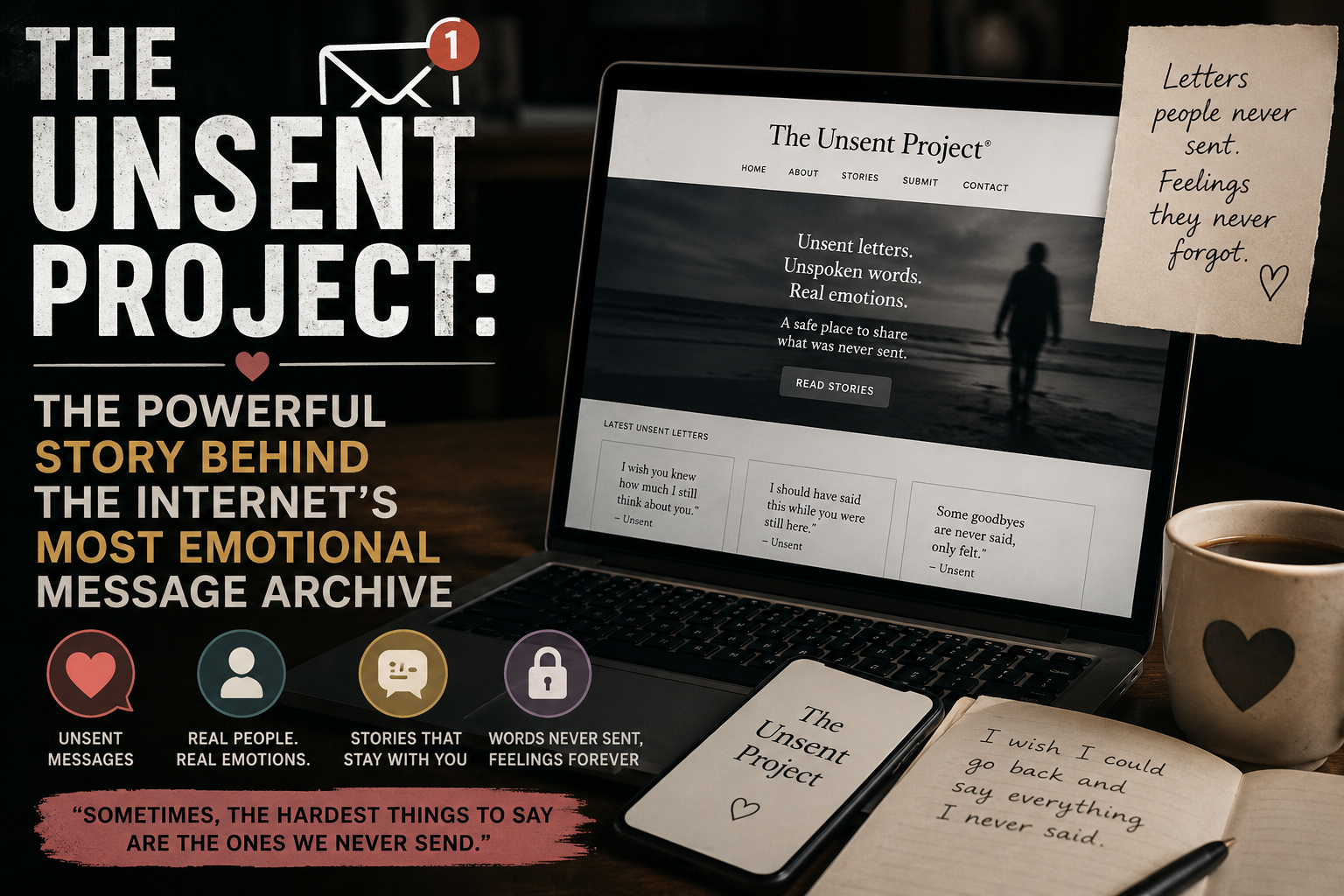
The Unsent Project: The Powerful Story Behind the Internet’s Most Emotional Message Archive
In a world where communication happens instantly, many emotions remain unspoken. People often carry words they wish they had said to someone they loved, missed, hurt, or lost. This universal experience is exactly what makes The Unsent Project one of the most compelling digital art and storytelling projects of the modern era.
The Unsent Project is a collection of anonymous messages written to first loves, former partners, friends, family members, and people who left a lasting emotional impact. Created as an artistic and emotional archive, it has grown into a viral online phenomenon that resonates with millions of people worldwide.
Whether you’re discovering it for the first time or searching for a deeper understanding of its purpose, this comprehensive guide explores everything you need to know about The Unsent Project, including its origins, meaning, color system, emotional significance, and cultural impact.
What Is The Unsent Project?
The Unsent Project is an ongoing collection of anonymous text submissions in which people write messages they never sent to someone important in their lives.
These messages often include:
- Expressions of love
- Regret and apologies
- Heartbreak
- Gratitude
- Anger
- Nostalgia
- Closure
The concept is simple yet powerful: participants submit messages anonymously, allowing them to express emotions without fear of judgment or consequences.
Unlike traditional social media, where users carefully curate their image, The Unsent Project provides a raw and unfiltered look into human emotions.
Featured Snippet Answer
The Unsent Project is an online art project where people anonymously submit messages they never sent to someone significant in their lives, often a first love. The submissions are categorized by colors that represent emotional associations and create a collective archive of human feelings.
Who Created The Unsent Project?
The Unsent Project was created by Rora Blue, a multidisciplinary artist known for exploring themes of identity, memory, relationships, and emotional experiences through interactive art.
The project began as an artistic experiment asking a simple question:
“What color do people associate with love?”
Participants were invited to submit unsent messages while choosing a color that represented their feelings toward the recipient.
What started as a small artistic inquiry quickly transformed into a massive emotional archive containing millions of submissions from around the world.
The Origin and Purpose of The Unsent Project
The project was designed to explore the relationship between:
- Emotion and memory
- Love and loss
- Color and personal experiences
- Human connection and communication
The creator sought to understand whether emotional memories have visual associations.
For example:
- Does heartbreak feel black?
- Does nostalgia feel blue?
- Does happiness feel yellow?
The results revealed fascinating patterns about how people connect emotions with colors.
At the same time, participants found the experience therapeutic because it allowed them to release feelings they had never expressed.
Why Has The Unsent Project Become So Popular?
Several factors contribute to the project’s extraordinary popularity.
1. Universal Emotional Experiences
Almost everyone has experienced:
- Unrequited love
- A painful breakup
- A missed opportunity
- Words left unsaid
Reading messages from strangers often feels surprisingly personal because the emotions are universally relatable.
2. Complete Anonymity
People can express their deepest feelings without revealing their identities.
This freedom encourages honesty and vulnerability that is often absent from public social media platforms.
3. Emotional Validation
Many visitors discover messages that mirror their own experiences.
Seeing someone articulate feelings you’ve struggled to express can be incredibly validating.
4. Social Media Virality
Platforms such as TikTok, Instagram, and Pinterest have helped popularize The Unsent Project by sharing particularly emotional messages.
These snippets often generate millions of views because they evoke strong emotional reactions.
How Does The Unsent Project Work?
The process is straightforward.
Step 1: Write an Unsent Message
Participants compose a message they never sent to someone meaningful.
The message may be:
- A few words
- A paragraph
- A confession
- A farewell
- A question
Step 2: Choose a Color
The contributor selects a color that represents how they associate the recipient or the memory.
Step 3: Submit Anonymously
The message becomes part of the archive without revealing the author’s identity.
Step 4: Browse the Collection
Visitors can explore messages through:
- Search functions
- Color categories
- Emotional themes
- Random entries
This creates a unique experience where users can discover deeply personal stories from people around the world.
Understanding The Color Meanings in The Unsent Project
One of the most fascinating aspects of The Unsent Project is its color system.
Although interpretations vary, certain emotional patterns frequently emerge.
Red
Red often symbolizes:
- Passion
- Intense love
- Desire
- Emotional intensity
Many red submissions involve strong romantic feelings.
Blue
Blue is commonly associated with:
- Sadness
- Longing
- Reflection
- Nostalgia
These messages often focus on memories and missed connections.
Yellow
Yellow frequently represents:
- Happiness
- Warmth
- Friendship
- Positive memories
Many yellow messages express gratitude rather than heartbreak.
Green
Green often symbolizes:
- Growth
- Healing
- Hope
- Renewal
Contributors may choose green when discussing personal development after a relationship.
Pink
Pink is commonly connected to:
- Affection
- Tenderness
- Sweet memories
- Innocent love
Purple
Purple often reflects:
- Complexity
- Mystery
- Deep emotional attachment
Messages in this category may involve mixed feelings.
Black
Black is frequently associated with:
- Grief
- Loss
- Anger
- Emotional pain
Some of the most heartbreaking submissions appear under this color.
White
White can symbolize:
- Peace
- Acceptance
- Closure
- Forgiveness
These messages often indicate emotional resolution.
The Psychology Behind Unsent Messages
Why do unsent messages affect people so deeply?
The answer lies in human psychology.
Emotional Processing
Writing helps organize complex emotions.
When people express their thoughts through writing, they often gain clarity about their experiences.
Closure Without Contact
Not every relationship can or should be revisited.
An unsent message provides a way to process emotions without reopening old wounds.
Narrative Healing
Humans naturally create stories to make sense of life experiences.
Writing an unsent message helps individuals transform emotional pain into a coherent narrative.
Shared Humanity
Reading thousands of messages reminds people they are not alone in their struggles.
This shared emotional experience can reduce feelings of isolation.
Common Themes Found in The Unsent Project
After exploring thousands of submissions, several recurring themes become apparent.
Lost First Loves
Many people write to their first love years after the relationship ended.
Common sentiments include:
- “I still think about you.”
- “I wonder what happened to us.”
- “You changed my life.”
Regret
Some contributors wish they had:
- Said “I love you”
- Apologized
- Stayed longer
- Left sooner
Gratitude
Not every message is sad.
Many express appreciation for someone who had a positive influence on their life.
Unanswered Questions
People often struggle with uncertainty.
Messages frequently ask questions such as:
- Why did you leave?
- Did you ever love me?
- Do you still think about me?
Personal Growth
Many submissions reveal lessons learned through relationships and heartbreak.
The Emotional Impact of Reading The Unsent Project
The project affects readers in unique ways.
It Encourages Reflection
Visitors often think about their own relationships and unresolved feelings.
It Creates Empathy
Reading strangers’ experiences broadens emotional understanding.
It Inspires Healing
Many users report feeling comforted after realizing others share similar struggles.
It Sparks Creativity
Writers, artists, musicians, and content creators frequently draw inspiration from the archive.
Is The Unsent Project Real?
One of the most common questions people ask is whether the messages are authentic.
The answer is yes—submissions are provided by real individuals.
However, because the platform is anonymous:
- Identities are not verified publicly.
- Some messages may be difficult to authenticate independently.
- The emotional experiences represented are generally considered genuine user contributions.
The project’s impact stems less from factual verification and more from the emotional truths expressed in the messages.
Why People Search Their Names on The Unsent Project
Many users search their own names hoping to find a message written about them.
This behavior reflects natural curiosity.
People wonder:
- Did someone ever love me secretly?
- Is someone thinking about me?
- Did an ex write about me?
While finding a message intended for a specific person is unlikely, the possibility contributes to the project’s intrigue and popularity.
The Role of Social Media in The Unsent Project’s Growth
Social media has transformed The Unsent Project from a niche art installation into a global phenomenon.
Popular content includes:
- Heartbreaking confessions
- Unexpected love stories
- Emotional screenshots
- Color-themed message compilations
TikTok users, in particular, frequently create videos reacting to submissions, introducing the project to new audiences.
This viral exposure has significantly increased participation and engagement.
Criticisms and Limitations
Despite its popularity, The Unsent Project is not without criticism.
Emotional Triggering
Some messages discuss:
- Grief
- Heartbreak
- Trauma
- Loss
These topics can be emotionally challenging for some readers.
Romanticization of the Past
Critics argue that constantly revisiting old relationships may encourage unhealthy nostalgia.
Lack of Context
Because submissions are anonymous and brief, readers only see one side of a story.
Nevertheless, these limitations are balanced by the project’s artistic and emotional value.
Lessons We Can Learn From The Unsent Project
The archive offers several meaningful insights.
Words Matter
Many submissions reveal the lasting impact of things people said—or never said.
Vulnerability Is Powerful
Honest emotional expression creates connection.
Closure Can Come From Within
Not every conversation requires a response.
Sometimes writing the message is enough.
Everyone Carries Untold Stories
The project reminds us that every person has experiences, regrets, and memories hidden beneath the surface.
How The Unsent Project Reflects Modern Digital Culture
The project’s success highlights broader trends in online behavior.
People increasingly seek:
- Authenticity
- Emotional connection
- Anonymous self-expression
- Community support
In a digital landscape often dominated by polished images and curated identities, The Unsent Project stands out because it embraces emotional honesty.
Its popularity suggests that people crave meaningful human connection more than ever.
Conclusion
The Unsent Project is far more than a collection of anonymous messages. It is a living archive of human emotion that captures love, heartbreak, gratitude, regret, hope, and healing in their most authentic forms.
Its enduring popularity demonstrates the universal need to express feelings that often remain unspoken. By combining anonymous storytelling with emotional color symbolism, The Unsent Project offers a unique space where people can process memories, seek closure, and connect with the experiences of others.
Whether you’re exploring it out of curiosity, searching for emotional understanding, or looking for comfort in shared experiences, The Unsent Project serves as a powerful reminder that behind every unsent message lies a story—and behind every story lies a deeply human desire to be understood.
Frequently Asked Questions (FAQ)
What is The Unsent Project?
The Unsent Project is an online archive where people anonymously submit messages they never sent to someone important in their lives, often a first love.
Who created The Unsent Project?
The project was created by artist Rora Blue as an exploration of emotional memories and color associations.
Why are colors used in The Unsent Project?
Colors represent emotional associations contributors have with the person or memory they are writing about.
Are the messages anonymous?
Yes. Contributors submit messages anonymously, allowing for honest and vulnerable emotional expression.
Can you search for your name on The Unsent Project?
Yes. Many users search for names within the archive, although there is no guarantee that a message is intended for a specific individual.
Why is The Unsent Project so popular?
Its popularity comes from its emotional authenticity, relatability, anonymity, and ability to connect people through shared human experiences.
Is The Unsent Project only about romantic relationships?
No. While many messages involve romantic love, others address friends, family members, former classmates, and significant figures in contributors’ lives.
Can writing an unsent message help with healing?
Many people find the process therapeutic because it allows them to express unresolved emotions and gain emotional clarity.