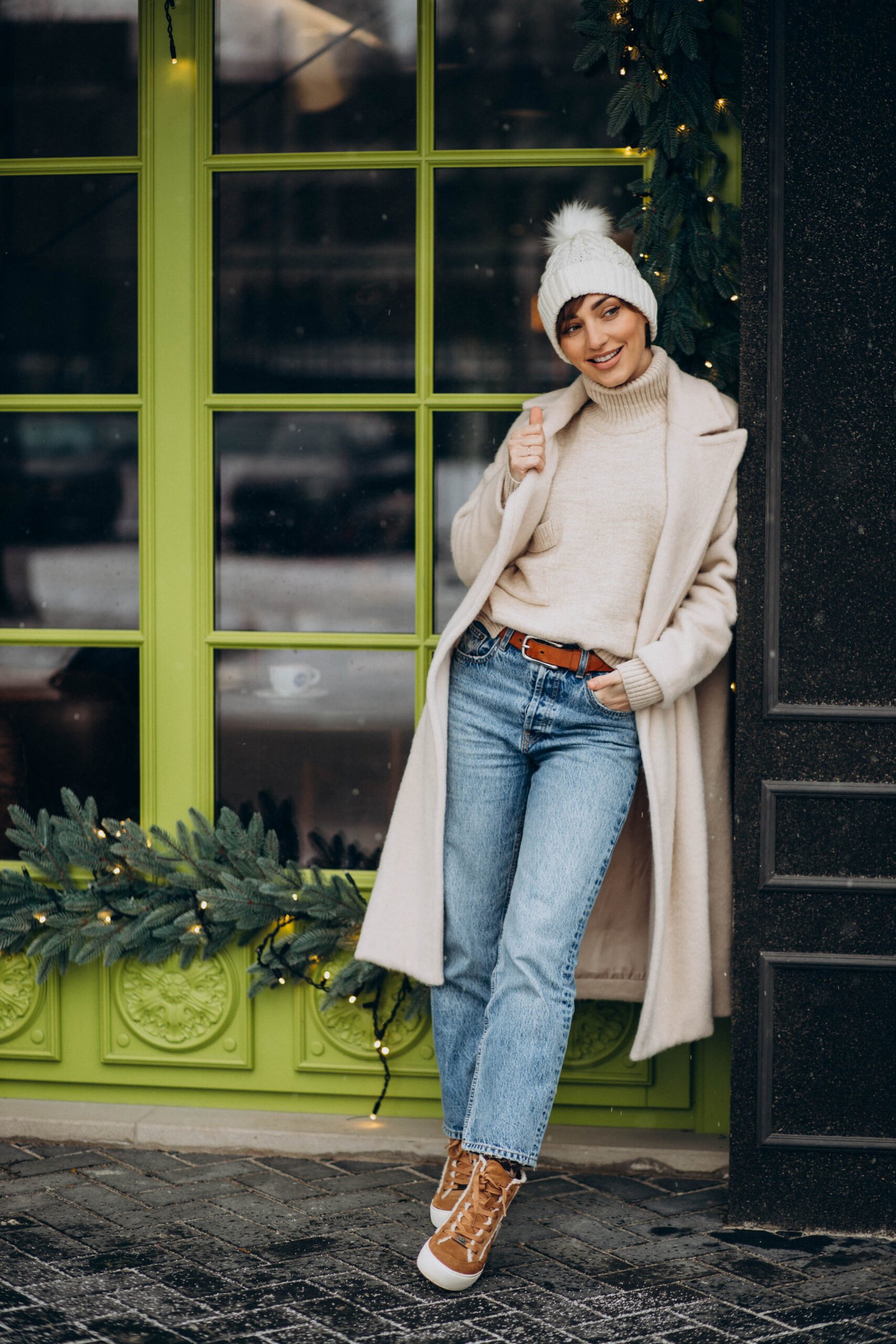
Winter Fashion Clothes: Modern Trends, Outfit Ideas, and Cold-Weather Styling
Cold weather creates an opportunity to experiment with layers, textures, colors, and seasonal accessories while keeping comfort at the center of every outfit. Modern winter fashion clothes are designed to combine practical warmth with contemporary style, making it possible to create polished looks for everyday activities, professional settings, travel, and social occasions. From oversized knitwear and structured coats to warm trousers, boots, scarves, and versatile layering pieces, a thoughtfully planned winter wardrobe can offer plenty of outfit combinations without becoming unnecessarily complicated.
The Basics of Winter Fashion
Winter fashion is built around clothing that helps the body stay warm while allowing freedom of movement and personal expression. Successful cold-weather dressing often depends more on combining garments effectively than simply choosing the thickest available clothing.
A typical winter outfit may include a lightweight first layer, an insulating second layer, and an outer garment that protects against wind or moisture. This system provides flexibility because layers can be removed when moving indoors.
The right combination also depends on the climate. Mild winters may require lighter coats and knitwear, while colder regions may call for insulated jackets, thermal clothing, and heavier footwear.
Building a Versatile Winter Wardrobe
A useful winter wardrobe begins with pieces that can be worn in multiple combinations. A neutral coat, comfortable jeans, several sweaters, versatile boots, and a few accessories can create a strong foundation.
Choose garments that work with different colors and silhouettes. A cream sweater, for example, can be paired with denim, black trousers, skirts, or tailored pants.
It is also helpful to include both casual and polished pieces. A relaxed sweatshirt may be perfect for weekends, while a fitted sweater and tailored trousers can work for professional environments.
The Role of Knitwear
Knitwear adds warmth and texture to winter outfits. Different knitting patterns and weights can create very different appearances.
Fine-knit sweaters are easy to layer under jackets and coats. Chunky sweaters create a cozy appearance and can become the focal point of an outfit.
Turtlenecks are particularly useful because they provide additional coverage while fitting neatly beneath coats. Cardigans offer flexibility and can be worn over shirts, blouses, or simple tops.
When selecting knitwear, consider both warmth and practicality. Materials should feel comfortable against the skin and suit the temperature of the environment.
Choosing a Winter Coat
A winter coat is often the most important outerwear investment because it protects the rest of the outfit from cold conditions.
Long wool coats can create an elegant appearance and work well with dresses, trousers, and jeans. Quilted and puffer jackets offer insulation while creating a more casual look.
Trench coats may be suitable in milder winter climates, particularly when layered with sweaters. Parkas can provide additional protection in windy or wet environments.
Fit is important. A coat should allow enough room for layers underneath while still maintaining a comfortable and balanced silhouette.
Jeans and Trousers for Winter
Jeans remain a practical winter staple because they can be styled for casual and semi-polished occasions. Straight-leg jeans work well with sweaters and ankle boots, while wider silhouettes can be balanced with shorter jackets or fitted tops.
Trousers provide additional variety. Tailored pants can create a sophisticated office outfit, while corduroy or heavier fabric trousers offer warmth and seasonal texture.
High-waisted styles can be combined with tucked-in knitwear, whereas relaxed trousers can work with more fitted tops.
The most suitable choice depends on temperature, activity, and personal comfort.
Styling Dresses in Cold Weather
Dresses can remain an important part of a winter wardrobe when combined with suitable layers.
A knitted midi dress can provide warmth and create an elegant silhouette. Pairing it with tights and boots makes it more suitable for colder weather.
Sleeveless dresses can be layered over turtlenecks or fitted long-sleeve tops. A long coat can complete the look while providing additional insulation.
Belts can be added to certain loose-fitting dresses to create definition around the waist.
Winter Footwear Choices
Winter footwear should be selected according to the weather and daily activities. Ankle boots are among the most versatile choices because they can be worn with jeans, trousers, skirts, and dresses.
Knee-high boots offer additional coverage and work particularly well with skirts and midi dresses.
In areas where rain, snow, or ice are common, waterproof or insulated footwear may be more practical than standard fashion boots.
Good traction is also important. A fashionable shoe is less useful if its sole is unsuitable for slippery winter surfaces.
Layering Without Excess Bulk
Layering does not have to create a bulky appearance. The key is to use garments with different weights and proportions.
Begin with a lightweight base layer, followed by a medium-weight sweater or cardigan. Finish with a coat that has enough room to accommodate the underlying layers.
Another technique is to combine fitted and relaxed pieces. An oversized sweater can work with straight or slim trousers, while wide-leg trousers can be paired with a more fitted top.
Using similar or complementary colors across layers can also create a streamlined appearance.
Winter Colors and Textures
Winter provides opportunities to explore richer colors and heavier textures. Deep green, burgundy, navy, brown, charcoal, cream, and camel are popular seasonal choices.
Textures can make neutral outfits more interesting. Wool, cable knit, corduroy, suede, leather, denim, and quilted fabrics each create a different visual effect.
Combining contrasting textures can prevent an outfit from appearing flat. For example, a soft knit sweater can be paired with structured trousers and smooth leather boots.
Winter Workwear
Professional winter clothing can be warm while maintaining a refined appearance. Tailored trousers, fine-knit sweaters, button-down shirts, blazers, and structured coats are useful options.
A monochromatic outfit can create a polished effect, while subtle patterns can add personality without becoming distracting.
Comfort should remain important because professional clothing may be worn for many hours. Choose fabrics that provide warmth without restricting movement.
A good winter work wardrobe should also transition easily between indoor and outdoor environments.
Casual Winter Styling
Casual winter outfits can focus on comfort while still looking intentional. A sweatshirt with straight-leg jeans and a puffer jacket provides a simple everyday combination.
A cardigan, basic shirt, relaxed trousers, and boots can create a softer appearance.
Athletic-inspired clothing can also be incorporated through hoodies, fleece layers, and comfortable sneakers when weather conditions permit.
Small details such as a scarf, structured bag, or coordinated hat can make a relaxed outfit look more complete.
Winter Fashion for Special Occasions
Cold-weather celebrations often require more thoughtful layering. Dresses can be combined with elegant coats, tights, and boots for a polished event outfit.
Velvet, satin, wool blends, and textured knit fabrics can provide a seasonal feel without relying entirely on heavy clothing.
For evening events, darker colors can create a sophisticated appearance, while metallic accessories or statement jewelry can add visual interest.
Always consider the venue and weather when selecting an outfit for an outdoor or partially outdoor occasion.
Sustainable Winter Clothing Choices
A practical winter wardrobe can also be built with sustainability in mind. Choosing durable pieces that can be worn across several seasons reduces the need for frequent replacement.
Versatile garments are especially valuable because they can be styled in different ways. Proper care is equally important.
Follow washing and storage instructions for knitwear, coats, and boots. Cleaning garments appropriately and repairing minor damage can significantly extend their useful life.
Buying fewer, better-used pieces can also make it easier to maintain a wardrobe that feels organized and purposeful.
Key Points to Remember
Winter clothing should provide warmth while allowing comfortable movement.
Layering creates flexibility and makes outfits suitable for changing temperatures.
Knitwear, coats, jeans, trousers, dresses, and boots form a versatile seasonal wardrobe.
Color and texture can make simple outfits more visually interesting.
Footwear should match both personal style and local weather conditions.
Accessories can provide practical warmth while adding personality.
Durable and versatile garments can support a more sustainable wardrobe.
Tips for Styling Winter Clothes
Start with a comfortable base layer when temperatures are low.
Choose outerwear that fits comfortably over sweaters and other layers.
Mix different textures to create depth in neutral outfits.
Balance oversized clothing with more structured or fitted pieces.
Use scarves, hats, belts, and bags to personalize simple combinations.
Keep versatile neutral pieces available for easy outfit coordination.
Choose footwear with appropriate traction when winter conditions are challenging.
Store seasonal garments carefully when they are not being used.
Final Thoughts
Winter dressing can be practical without becoming repetitive. The most successful cold-weather wardrobes combine versatile basics with carefully chosen statement pieces, allowing different outfits to be created for work, weekends, travel, celebrations, and everyday activities. Sweaters, coats, trousers, jeans, dresses, boots, and accessories all have important roles, while color and texture provide opportunities for individual expression. Good layering also makes it easier to respond to changing temperatures throughout the day. By choosing comfortable fabrics, suitable proportions, durable outerwear, and useful accessories, winter fashion clothes can provide a balanced combination of warmth, practicality, and contemporary personal style throughout the colder season.
Frequently Asked Questions
1. What are the most useful winter clothing pieces?
Useful winter essentials include sweaters, warm coats, jeans or trousers, boots, thermal layers, scarves, gloves, and hats. Choosing versatile pieces makes it easier to create multiple outfits.
2. How can I layer winter clothing without looking bulky?
Use lightweight base layers and medium-weight sweaters before adding an appropriately sized coat. Combining fitted and relaxed pieces can also create better proportions.
3. What colors are popular for winter clothing?
Neutral shades such as black, gray, cream, camel, brown, and navy are easy to coordinate. Burgundy, deep green, rust, and other rich shades can add seasonal character.
4. What footwear works best with winter outfits?
Ankle boots and knee-high boots are versatile choices. In snowy or wet areas, insulated and water-resistant footwear with good traction may be more appropriate.
5. How can winter clothes be made more versatile?
Choose neutral basics that can be combined with different sweaters, coats, accessories, and footwear. Layering pieces that work across casual and formal outfits can significantly increase wardrobe flexibility.
One thought on “Winter Fashion Clothes: Modern Trends, Outfit Ideas, and Cold-Weather Styling”