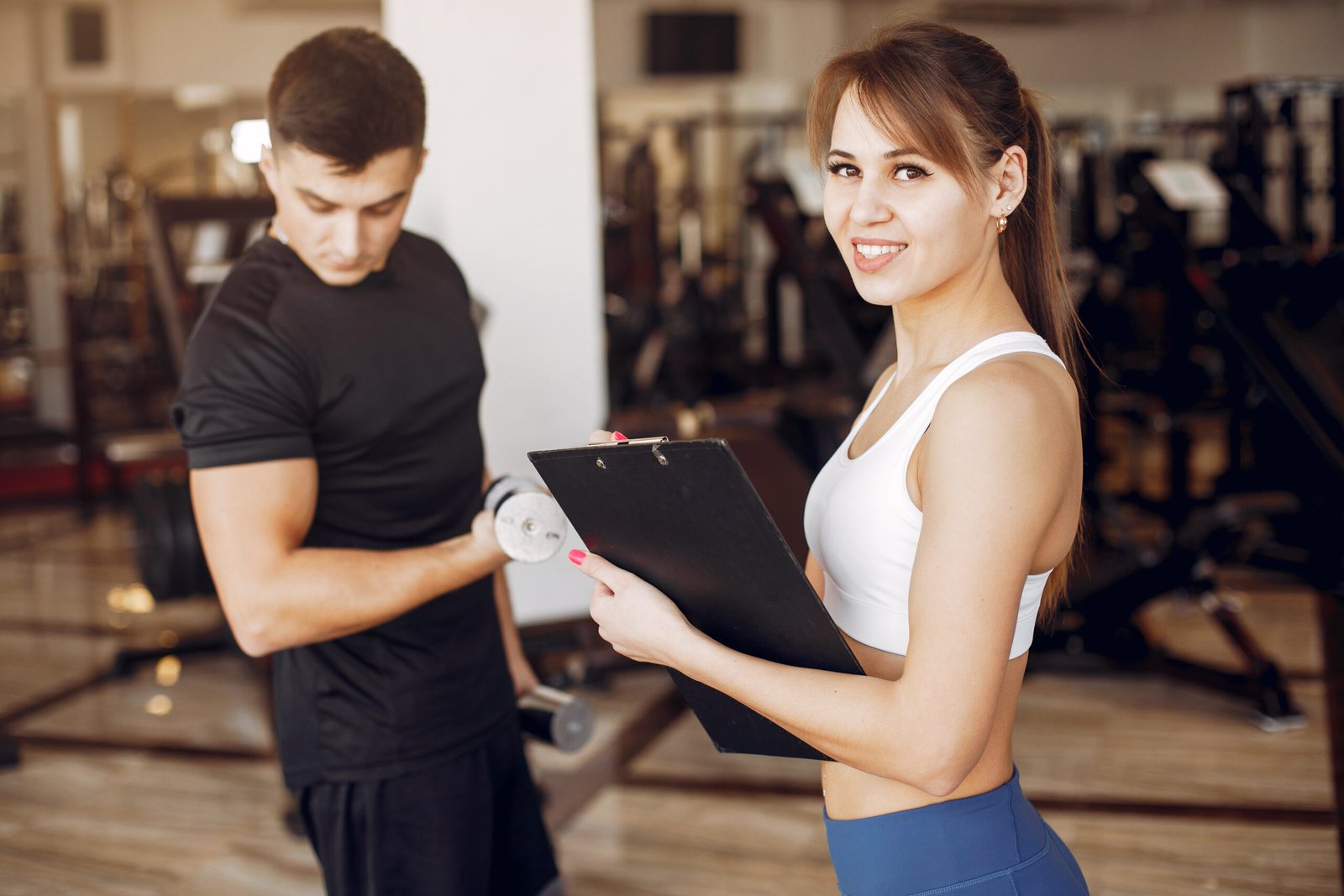
Female Fitness Trainers Near Me: How to Find the Right Personal Trainer
Finding the right personal trainer can make a significant difference in your fitness journey. If you are searching for female fitness trainers near me, you are likely looking for someone who can provide personalized guidance, practical workout plans, accountability, and a comfortable training environment. A qualified female trainer can work with different fitness levels and goals, from weight management and strength development to improved mobility, endurance, and overall wellness. Choosing the right professional involves more than simply selecting the closest trainer. You should consider qualifications, experience, training style, communication, availability, and whether the trainer understands your individual needs.
Why Choose a Female Personal Trainer?
Many people prefer working with a female fitness professional because they feel more comfortable discussing personal fitness concerns, lifestyle habits, body confidence, and specific training goals. Comfort can play an important role in maintaining consistency, especially when beginning a new exercise routine.
A female trainer may also provide a supportive environment for clients who feel uncertain about entering a gym or using unfamiliar equipment. However, the most important consideration is not gender alone. A trainer should have appropriate knowledge, practical experience, communication skills, and an approach that fits your goals.
The right trainer should listen before creating a program. Instead of giving every client the same routine, they should consider your current fitness level, previous exercise experience, schedule, preferences, limitations, and desired outcomes.
What Can a Female Fitness Trainer Help You Achieve?
Personal training can address many different fitness objectives. Before choosing a trainer, it is useful to identify what you want to accomplish.
Weight management is one common goal. A trainer can develop structured workouts that combine strength exercises, cardiovascular activity, and progressive challenges. Exercise is only one part of weight management, but consistent training can contribute to improved fitness and healthier daily habits.
Strength training is another major area. A trainer can teach proper technique for movements such as squats, lunges, presses, rows, and other resistance exercises. Learning correct form can help you exercise more effectively and reduce the likelihood of avoidable technique-related problems.
Some clients focus on muscle development and body composition, while others want better endurance or athletic performance. Personal training can also support mobility, balance, coordination, and functional fitness.
For beginners, the biggest benefit may simply be learning how to exercise correctly and confidently. A knowledgeable trainer can explain equipment, demonstrate movements, establish appropriate intensity, and gradually increase the difficulty as your abilities improve.
How to Find the Right Trainer
When searching for a local trainer, start by creating a shortlist of professionals who appear to match your requirements. Consider trainers working in gyms, private studios, community fitness centers, or independent personal-training settings.
Location matters because convenience can influence consistency. A highly qualified trainer who is difficult to reach may be less practical than a suitable professional who operates close to your home or workplace.
Next, examine the trainer’s qualifications and experience. Look for relevant fitness certifications, continuing education, and experience working with clients who have goals similar to yours.
It is also useful to understand the trainer’s specialization. Some professionals focus on strength training, while others concentrate on general fitness, functional training, sports conditioning, weight management, or beginner-friendly exercise.
Do not hesitate to ask questions before committing to a long-term package. A short consultation or introductory session can help you understand whether the trainer’s communication style and approach suit you.
Questions to Ask Before Hiring a Trainer
A few well-chosen questions can help you make a more informed decision. Ask about the trainer’s qualifications, years of experience, areas of specialization, and typical approach to creating workout programs.
You can also ask how progress is measured. A good program should have a way to evaluate improvement rather than relying only on the number displayed on a scale. Strength, endurance, mobility, exercise technique, consistency, measurements, and performance can all provide useful indicators depending on your goals.
Ask how often the trainer expects you to train and what happens if you miss a session. Understanding scheduling and cancellation policies beforehand can prevent misunderstandings.
You should also ask whether the trainer provides nutrition guidance. Trainers can often discuss general healthy habits, but specific medical nutrition needs should be addressed by an appropriately qualified healthcare or nutrition professional.
Finally, ask whether sessions are one-on-one, semi-private, or group-based. Each format offers a different experience and may suit different budgets and preferences.
What Makes a Good Female Fitness Trainer?
A good trainer should combine technical knowledge with strong communication. Exercise expertise is important, but the ability to explain movements clearly and adjust a program when necessary is equally valuable.
A trainer should pay attention to your technique rather than simply counting repetitions. They should understand when an exercise needs to be modified because of your current ability, discomfort, fatigue, or training experience.
Professionalism is another important factor. A reliable trainer should arrive prepared, maintain appropriate boundaries, respect your privacy, and communicate clearly about schedules and expectations.
Adaptability is especially important because progress is rarely perfectly linear. Work schedules, travel, stress, sleep, and other lifestyle factors can affect training. A flexible trainer can adjust the workout without losing sight of your broader objective.
You should also feel comfortable asking questions. Fitness can involve unfamiliar terminology and movements, so your trainer should encourage learning rather than making you feel embarrassed about what you do not know.
Choosing Between Gym, Studio, and Online Training
The best training environment depends on your lifestyle and preferences. Gym-based personal training provides access to a broad selection of equipment and can be useful for people who enjoy a traditional fitness environment.
Private studios may offer a quieter and more personalized atmosphere. They can be appealing if you prefer fewer distractions and more direct interaction with your trainer.
Online personal training provides flexibility for people who have demanding schedules or prefer exercising at home. Depending on the service, online programs may include workout plans, video instruction, progress tracking, and virtual coaching.
Each option has advantages and limitations. In-person sessions generally allow a trainer to observe technique directly, while online training may provide greater scheduling flexibility. Think about which environment will make it easiest for you to train consistently.
How Much Should You Train?
Training frequency should reflect your goals, experience, recovery, and schedule. A beginner does not necessarily need to train every day to make progress. Starting with a manageable routine can be more effective than choosing an intense schedule that becomes difficult to maintain.
A trainer can help determine how frequently you should exercise and how to organize different types of training. Strength sessions may be combined with cardiovascular exercise, mobility work, recreational activities, or recovery days.
Rest is also an important part of a successful fitness plan. Muscles and other body systems need time to recover from demanding exercise. A sensible program balances challenge with adequate recovery rather than treating every workout as a maximum-effort session.
Consistency generally matters more than trying to achieve dramatic results within a short period. Sustainable habits can provide a stronger foundation for long-term fitness.
Warning Signs to Watch For
While searching for a trainer, be aware of practices that may indicate poor professional standards. Be cautious if someone promises guaranteed dramatic results in a very short time or claims that one particular workout or diet works for everyone.
A trainer should not ignore your concerns or pressure you to perform exercises that you cannot safely execute. They should also avoid presenting themselves as a replacement for qualified medical professionals when a situation requires healthcare expertise.
Another warning sign is the absence of individualized planning. If a trainer gives every client exactly the same workout without considering differences in experience, goals, ability, or circumstances, the service may not provide the level of personalization you need.
Pay attention to how you feel during the consultation. A professional relationship should involve mutual respect, realistic expectations, and clear communication.
How to Prepare for Your First Training Session
Before your first session, think about what you want to achieve. You do not need to have a perfect fitness plan because creating that plan is part of the trainer’s role, but having clear priorities can make the consultation more productive.
Wear comfortable clothing and appropriate footwear. Bring any information that your trainer needs to understand your previous exercise experience, current routine, or relevant limitations.
During the session, communicate honestly. Tell your trainer when an exercise feels uncomfortable, confusing, or excessively difficult. Avoid trying to impress the trainer by doing more than you can manage safely.
The first session may include an assessment of movement, fitness level, goals, and exercise experience. It may also involve basic exercises to establish a starting point. This information can help the trainer design a more appropriate program.
Making Personal Training a Long-Term Habit
Hiring a trainer is only the beginning. The greatest value comes from applying what you learn consistently. Between sessions, follow the agreed routine, prioritize recovery, and maintain realistic expectations.
Track meaningful progress rather than expecting changes every few days. You may notice improvements in energy, strength, balance, endurance, confidence, or exercise technique before seeing major physical changes.
It can also help to review your program periodically. As your fitness improves, exercises, repetitions, resistance, and training frequency may need to change. A good trainer should use your progress to guide those adjustments.
The goal is to develop habits that remain useful even when you eventually reduce or stop personal-training sessions. Ideally, you should become more knowledgeable and confident about exercising independently.
Final Thoughts
Searching for female fitness trainers near me can be the first step toward finding personalized support that makes exercise more structured and manageable. The right trainer should offer appropriate qualifications, effective communication, individualized programming, realistic expectations, and a training environment where you feel comfortable. Take time to compare professionals, ask practical questions, understand their approach, and consider whether their location and schedule fit your lifestyle. A thoughtful choice can help you build confidence, improve physical fitness, and develop sustainable exercise habits that continue to benefit you well beyond individual training sessions.
Frequently Asked Questions
1. How do I choose a female personal trainer?
Look for relevant qualifications, practical experience, a training style that matches your goals, convenient availability, and clear communication. An introductory consultation can help you determine whether the trainer is a good fit.
2. Can a female fitness trainer help beginners?
Yes. A qualified trainer can teach beginners fundamental movements, explain how equipment works, establish suitable training intensity, and gradually increase exercise difficulty as fitness improves.
3. How often should I work with a personal trainer?
The ideal frequency depends on your goals, fitness level, schedule, and budget. Some people train with a professional several times per week, while others use periodic sessions for guidance and complete additional workouts independently.
4. What should I bring to my first personal training session?
Wear comfortable workout clothing and suitable shoes. Be prepared to discuss your goals, exercise history, typical activity level, and any relevant limitations. Honest communication helps the trainer create an appropriate starting program.
5. Is personal training worth the cost?
Personal training can provide value through individualized programming, technique instruction, accountability, and structured progression. Whether it is worthwhile depends on your goals, budget, preferred learning style, and how much support you need to remain consistent.