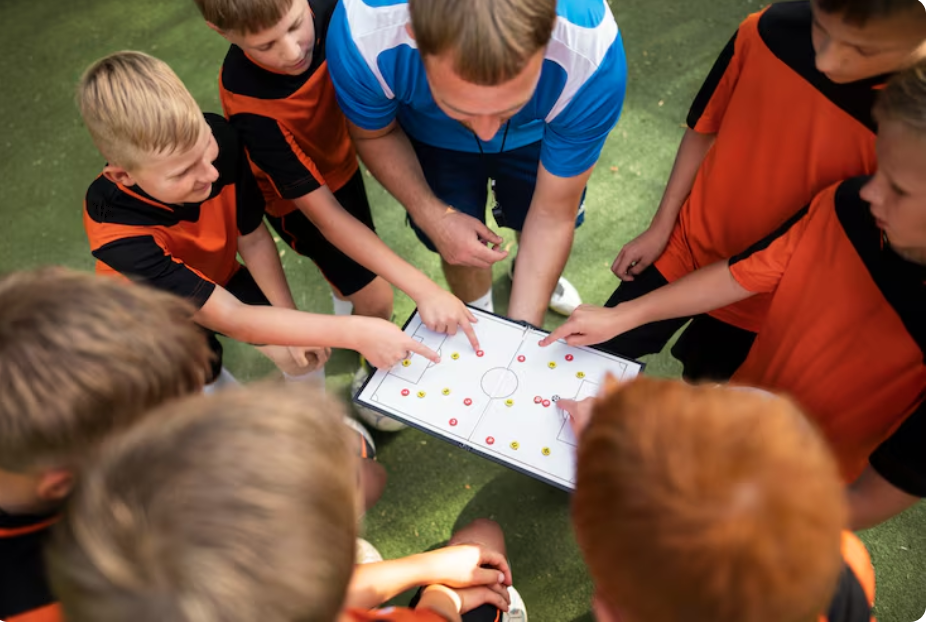
The Blueprint for Success: Understanding Team Strategies in Competitive Sports
In competitive sports, individual talent is important, but long term success is built on effective team strategies. A team strategy is the structured plan that guides how players work together to achieve common goals. It defines playing style, roles, decision making, and adaptability during competition. The most successful teams are not always those with the most star players, but those that execute clear and well designed strategies. Understanding team strategies provides insight into how victories are planned, managed, and sustained.
What Are Team Strategies
Team strategies refer to the collective approach a team uses to compete against opponents. These strategies are shaped by the team’s strengths, weaknesses, available players, and the nature of the competition. A strategy includes formations, playing tempo, defensive organization, attacking patterns, and transition plans. It also reflects the philosophy of the coach and the identity of the team.
A strong strategy creates structure and clarity. Each player understands their role and responsibilities within the system. This shared understanding allows the team to function as a unified unit rather than a group of individuals.
The Importance of Planning and Preparation
Effective team strategies begin with thorough planning. Coaches analyze opponents, study past performances, and identify key areas to exploit or protect. Preparation involves training sessions that reinforce tactical movements and decision making. The goal is to ensure that players can execute the strategy instinctively during matches.
Preparation also includes contingency planning. Sports are unpredictable, and teams must be ready to adjust if the original plan does not work. Teams that prepare multiple strategic options are more resilient and adaptable under pressure.
Offensive Strategies and Creativity
Offensive strategies focus on how a team creates scoring opportunities. This may involve quick passing, high pressing, counter attacks, or controlled possession depending on the sport. A good offensive strategy balances creativity with discipline. Players are encouraged to express skill while respecting the overall structure.
Spacing, movement, and communication are key components of attacking strategies. Teams that move intelligently and support each other create more chances and place opponents under constant pressure. Effective offensive strategies also maximize the strengths of key players while integrating them into the team system.
Defensive Organization and Discipline
Defense is a critical part of any successful team strategy. Strong defensive organization reduces mistakes and limits opponent opportunities. Defensive strategies include positioning, marking systems, pressing intensity, and recovery speed.
Discipline is essential in defense. Each player must maintain focus and trust teammates to cover their roles. A well organized defense often reflects teamwork and commitment rather than individual brilliance. Teams that defend collectively are harder to break down and more consistent over time.
Adaptability and In Game Adjustments
One of the defining features of great teams is adaptability. Even the best strategies must evolve during a match. Opponents may change tactics, exploit weaknesses, or increase pressure. Teams that recognize these changes and respond quickly gain a competitive advantage.
In game adjustments can include substitutions, formation changes, or shifts in tempo. Successful teams communicate effectively and remain flexible. Adaptability ensures that strategies remain effective even in challenging situations.
Leadership and Communication
Team strategies rely heavily on leadership and communication. Leaders on the field help organize teammates, reinforce instructions, and maintain focus. Clear communication ensures that everyone understands tactical changes and responds together.
Leadership is not limited to captains or senior players. Every player contributes by staying engaged and supporting the strategy. Teams with strong communication execute strategies more smoothly and recover faster from setbacks.
Technology and Strategic Development
Modern technology has enhanced strategic planning in sports. Video analysis and data tracking help coaches evaluate what works and what needs improvement. Patterns of play, positional discipline, and team movement can be studied in detail.
Technology supports smarter decision making, but strategy still depends on human judgment. The best teams combine data driven insights with experience and intuition to create effective game plans.
Impact on Team Identity and Success
Team strategies shape identity. Whether a team is known for aggressive play, defensive strength, or tactical discipline, strategy defines how it is perceived. This identity builds confidence and consistency across seasons.
Successful strategies create stability and direction. Players develop trust in the system, and results become more predictable. Over time, strong team strategies become the foundation for sustained success.
Conclusion
Team strategies are the blueprint for success in competitive sports. They transform individual abilities into collective strength and provide structure, purpose, and adaptability. From planning and preparation to execution and adjustment, strategies guide every aspect of team performance. Understanding team strategies reveals why great teams succeed consistently and why teamwork remains the heart of competitive sports.
