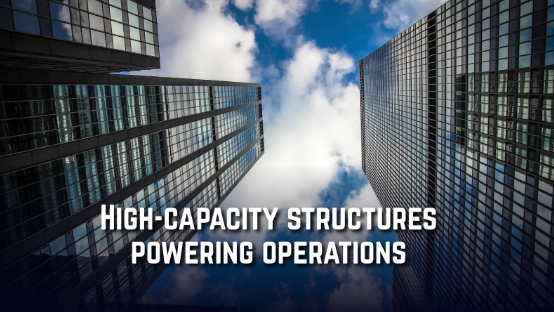
High-Capacity Structures Supporting Large-Scale Business Operations
In an era of rapid economic expansion and global connectivity, commercial construction has become a cornerstone in enabling businesses to operate at scale. From corporate headquarters and retail complexes to logistics hubs and mixed-use developments, modern commercial spaces are designed to support high-capacity operations while maintaining efficiency, flexibility, and long-term value. These structures are not just buildings—they are strategic environments that drive productivity and business growth.
The Evolving Role of Commercial Spaces
Commercial spaces have undergone a significant transformation over the years. No longer limited to basic functionality, they now serve as dynamic environments that influence how businesses perform and grow. Companies today require spaces that are adaptable, technologically advanced, and capable of handling increasing operational demands.
The focus has shifted toward creating integrated ecosystems where workspaces, customer interaction zones, and operational areas coexist seamlessly. This evolution has made commercial construction a vital component in shaping modern business infrastructure, ensuring that buildings align with both present requirements and future expansion plans.
Designing for Scale and Efficiency
High-capacity commercial structures are designed with scalability and efficiency at their core. Every aspect of the building—from layout to structural design—is planned to accommodate large volumes of activity without compromising performance.
Open floor plans, flexible layouts, and modular designs allow businesses to customize spaces according to their needs. High ceilings and wide spans enable better utilization of space, while advanced structural systems ensure that buildings can support heavy usage and high occupancy levels.
Efficient circulation within the building is equally important. Well-designed pathways, elevators, and access points ensure smooth movement of people and goods, reducing congestion and improving overall productivity. These design elements collectively contribute to creating environments that can handle large-scale operations with ease.
Integration of Advanced Technologies
Technology plays a crucial role in modern commercial construction, transforming traditional buildings into smart, connected environments. Advanced systems are integrated into the design phase to enhance efficiency, safety, and user experience.
Smart building management systems allow real-time monitoring of energy consumption, security, and environmental conditions. Automated lighting, climate control, and access systems not only improve operational efficiency but also reduce costs.
In addition, digital infrastructure supports seamless communication and connectivity, which is essential for businesses operating in a fast-paced, data-driven environment. The integration of technology ensures that commercial spaces remain competitive and capable of adapting to evolving industry trends.
Strength, Durability, and Structural Integrity
Large-scale commercial operations require buildings that are robust and durable. High-capacity structures must be able to withstand constant usage, environmental factors, and long-term wear and tear.
Engineers focus on using high-quality materials and advanced construction techniques to ensure structural integrity. Reinforced frameworks, durable flooring systems, and weather-resistant exteriors contribute to the longevity of the building.
Safety is also a key consideration. Fire protection systems, emergency exits, and compliance with regulatory standards ensure that the building provides a secure environment for occupants. A strong structural foundation not only enhances safety but also reduces maintenance costs over time.
Sustainability in Commercial Development
Sustainability has become a defining feature of modern commercial construction. Businesses are increasingly prioritizing environmentally responsible practices that reduce their carbon footprint and promote energy efficiency.
Green building solutions such as energy-efficient lighting, solar power integration, and advanced insulation systems are now standard in many commercial projects. Water conservation measures and waste management strategies further contribute to sustainable operations.
Sustainable design not only benefits the environment but also enhances the overall value of the property. It reduces operational costs and aligns businesses with global sustainability goals, making it an essential aspect of contemporary construction practices.
Commercial Construction in Dubai: Setting Global Standards
The rapid growth of Commercial Construction in Dubai reflects the city’s ambition to position itself as a global business hub. With its strategic location, world-class infrastructure, and forward-thinking vision, Dubai has become a center for large-scale commercial developments.
Developers in the region focus on creating iconic structures that combine innovation, functionality, and aesthetic appeal. From state-of-the-art office towers to expansive retail destinations, the city’s commercial landscape continues to evolve at an impressive pace.
The emphasis on quality, efficiency, and advanced technology has set new benchmarks in the industry, attracting businesses from around the world and reinforcing Dubai’s reputation as a leader in modern construction.
Enhancing Business Performance Through Strategic Planning
The success of a commercial structure goes beyond its physical design. Strategic planning plays a crucial role in ensuring that the building meets the needs of its occupants and supports long-term business objectives.
Location is a key factor, as proximity to transportation networks, business districts, and residential areas influences accessibility and convenience. Thoughtful planning also considers future expansion, ensuring that the building can adapt to changing requirements.
By aligning construction strategies with business goals, commercial spaces become powerful tools that enhance productivity, improve customer experience, and drive growth.
Conclusion
High-capacity commercial structures are essential for supporting large-scale business operations in today’s competitive landscape. Through innovative design, advanced technology, and a focus on sustainability, these buildings provide the foundation for efficient and scalable operations. As businesses continue to expand and evolve, the demand for well-constructed commercial spaces will only increase. Partnering with experienced construction contractors in dubai ensures that these projects are executed with precision, quality, and a commitment to excellence, enabling businesses to achieve long-term success in a rapidly changing world.